Al Forno: The Providence Legend That Lives Up to the Hype
For over four decades, Al Forno has been serving rustic Italian cuisine that helped define American dining. This isn't nostalgia—it's a masterclass in why some restaurants become legends.
Walking into Al Forno feels like stepping into a different era of American dining—not because it's dated, but because it represents a time when restaurants were built on craft rather than concept, on consistency rather than Instagram moments. Chefs Johanne Killeen and George Germon opened Al Forno in 1980, and their wood-fired cooking helped spark a revolution in American cuisine. More than forty years later, the restaurant continues to pack its intimate dining room night after night.
The wood-fired oven is the heart of Al Forno, both literally and figuratively. You can see it from the dining room, flames licking at pizzas and roasts, filling the space with the intoxicating smell of wood smoke and caramelizing cheese. This isn't a showpiece—it's a working tool that shapes everything that comes out of the kitchen.
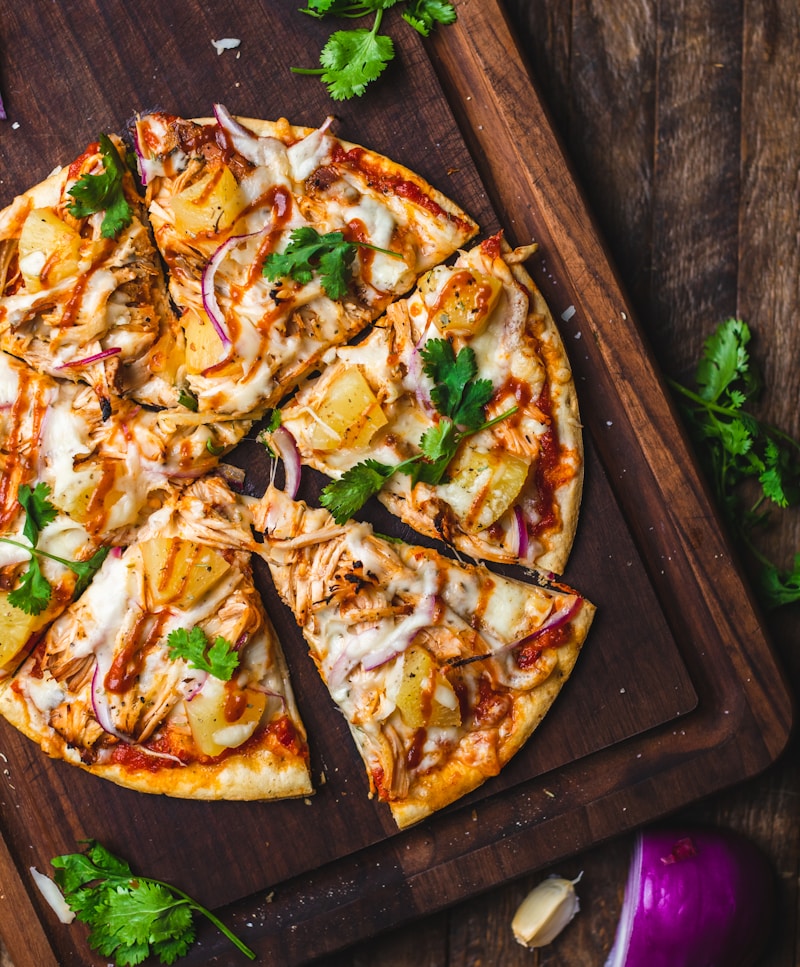
The grilled pizza margherita is where many meals begin, and it's easy to understand why. The crust has that perfect combination of char and chew, with a slight smokiness from the wood fire. The tomato sauce is bright and simple, the mozzarella melts into creamy pools, and the basil is added at the last moment so it stays vibrant and aromatic. It's a dish that's been copied countless times, but rarely matched.
But to stop at pizza would be to miss the point of Al Forno. The pappardelle with veal ragu is the kind of pasta dish that reminds you why Italian food conquered the world. The wide ribbons of pasta are cooked just shy of al dente, with enough tooth to stand up to the rich, slow-cooked ragu. The veal is tender and deeply flavored, the sauce has that subtle sweetness that comes from hours of patient simmering, and the whole dish is finished with a generous grating of Parmigiano-Reggiano.
The roasted clams are a revelation for anyone who thinks clams are best served raw or fried. Here, they're cooked in the wood oven with garlic, herbs, and white wine until they just open, their liquor mingling with the other ingredients to create a sauce that demands to be sopped up with crusty bread. It's a dish that showcases Al Forno's philosophy: take excellent ingredients, apply heat and time, and get out of the way.
The dining room itself is intimate and warm, with exposed brick and wood beams that feel earned rather than designed. The tables are close together—this is not a place for private conversations—but that proximity creates an energy, a sense that you're part of something communal. The service is professional without being stuffy, knowledgeable without being pretentious.
What's remarkable about Al Forno is how it has remained relevant without chasing trends. The menu has evolved over the years, but the core philosophy hasn't changed: cook with fire, source excellent ingredients, and respect Italian traditions while adapting them to New England's bounty. In an era of constant reinvention, this steadiness feels almost radical.
Is Al Forno perfect? No restaurant is. The wait for a table can be long (they don't take reservations for parties under six), the dining room can get loud, and the prices reflect the restaurant's reputation. But these are minor quibbles. What matters is that Al Forno continues to serve food that's both comforting and exciting, familiar and surprising. It's a restaurant that has earned its legendary status not through marketing or hype, but through decades of consistent excellence. In Providence's increasingly competitive dining scene, Al Forno remains a standard-bearer, a reminder of what's possible when talent, dedication, and time come together.